Trestle oysters vs. longline mussels: telling gear apart on a satellite pass
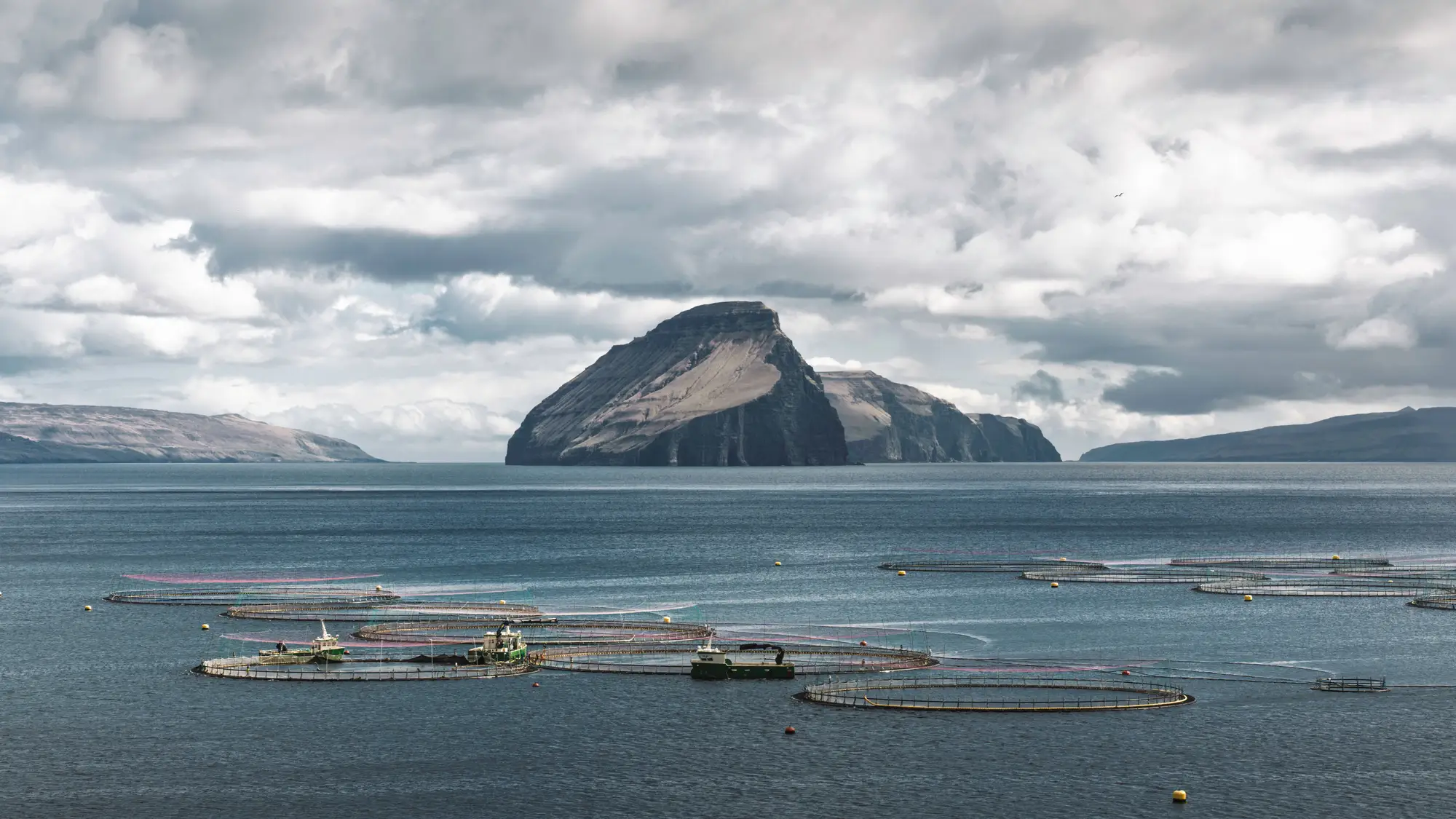
A fresh satellite pass over a licence area can leave you squinting at a cluster of pixels, trying to decide if that's a trestle block or a longline array. Both gear types show up as regular, man-made patterns against open water or tidal flat, and at a glance they can blur together, especially on a lower-resolution image or one caught at the wrong point in the tide cycle. Getting the gear type right matters, because trestle footprints and longline footprints get measured differently, and a permit written for one doesn't cover the other.
Trestle culture: look for the grid, and check the tide
Oyster trestles sit in the intertidal zone, which is the whole point. Growers want the stock exposed to air on a cycle, so trestles get built on racks staked into mudflat or sandflat between the high and low water marks. In an image, that means trestle culture only reads clearly at low tide. At high water the racks are submerged and mostly invisible except as a faint discoloration in the water column. At low water, you get a tight, repeating grid: parallel rows, usually straight-edged, often laid out in rectangular blocks that match the shape of the permit boundary almost exactly, because growers build to fill the lease.
The tell-tale sign is the shadow pattern. Trestles cast short, regular shadows in a low sun angle, giving the grid a slightly striped look that a longline array never has. There's also no floating hardware. No buoys, no surface markers bobbing between rows, because the whole structure sits fixed to the bottom.
Longline culture: linear strings with floats, visible at any tide
Mussel longlines work differently. The backbone line runs subtidal, anchored at both ends and held near the surface by a run of floats or buoys spaced along its length, with mussel droppers (also called socks) hanging below. Because the floats sit on the surface, longline gear is visible regardless of tide state, which is the single fastest way to rule out trestle culture if you're stuck comparing two images.
In the image, a longline reads as a straight or gently curved line of small, evenly spaced bright dots, often running 100 to 200 meters, sometimes longer, depending on the lease. Where trestle blocks fill a rectangular footprint edge to edge, longlines tend to run in parallel strings with open water between them, like lanes. Count the dots and the spacing is usually consistent along a given line, since floats go in at fixed intervals during gear setup. If the licence area holds multiple longlines, you'll often see them racked in parallel, all running the same compass heading, because that's the efficient way to anchor a block of lines off a single mooring system.
Why the gear ID matters for the file
A licence condition written for trestle culture caps intertidal footprint and requires clear channels for tidal flow. A longline condition caps surface line length and anchor spacing, and sometimes a minimum water depth under the droppers. If a site visit or an old paper file has the gear type wrong, or if a lease has shifted from trestles to longlines (which happens when a grower changes species or switches to a subtidal technique), the footprint area you calculate off imagery won't line up with what the permit actually allows. That mismatch is exactly the kind of thing that turns up months later as a compliance dispute, and it's a lot easier to catch at the quarterly review than to untangle after the fact.
This is the comparison Seafarm Mapping's quarterly footprint layer is built around: every pen, raft and longline visible in a licence area, mapped as polygons with an area estimate, so gear type and footprint size are sitting in the GIS file next to the permit instead of in your head after a tide-table lookup.
If your licence area has both trestle leases and longline leases on the books, it's worth seeing what a current quarter's footprint layer looks like before the next renewal cycle comes around.