What is a fallow period in aquaculture licensing?
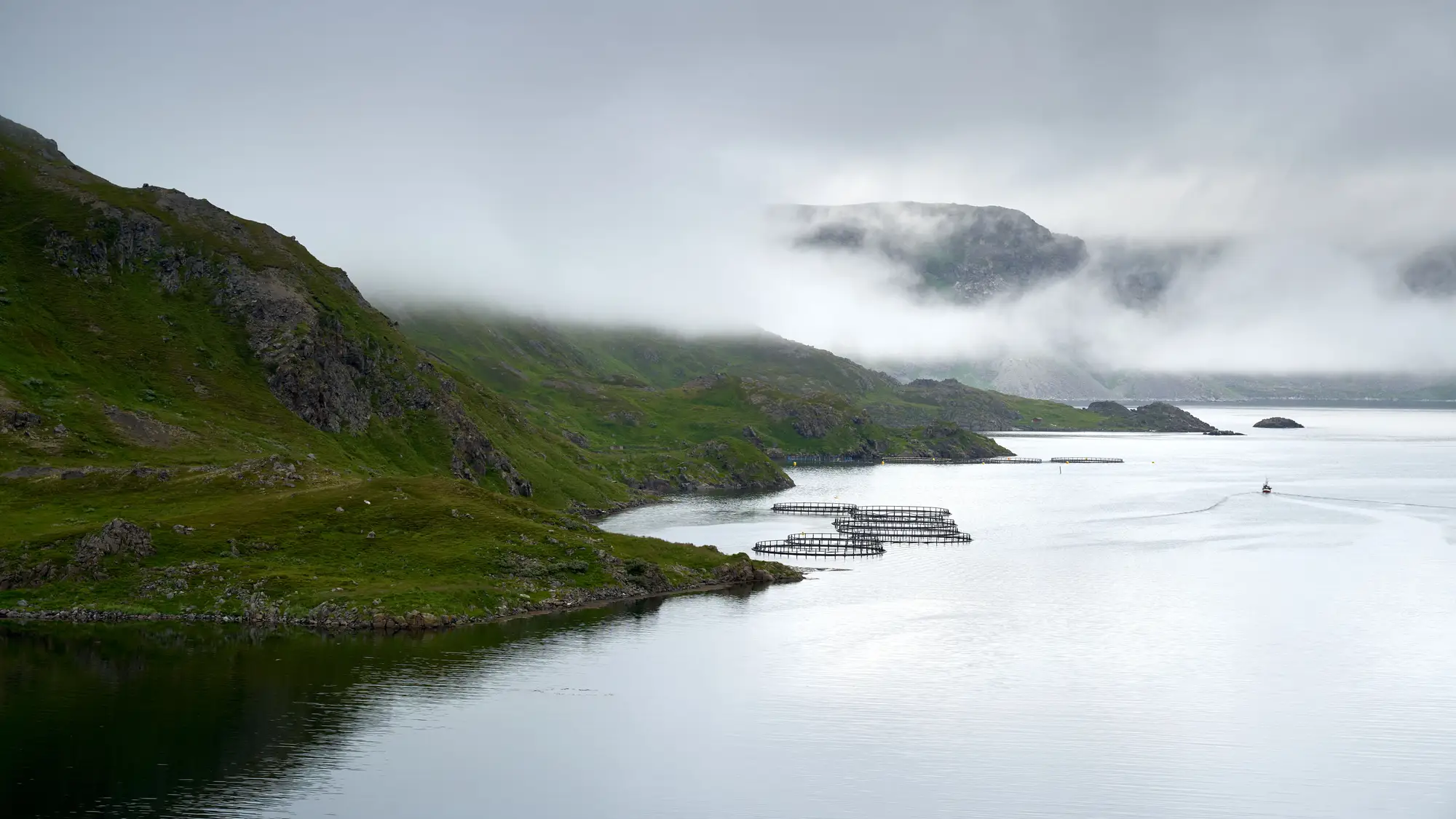
A fallow period is a stretch of time, written into a licence or its conditions, during which a marine farming site has to sit empty of stock and, usually, empty of gear. No fish, no shellfish, nothing being actively farmed on that footprint until the clock runs out.
It sounds simple on paper. In practice it's one of the more awkward things to verify from a desk, because the only hard evidence that a fallow period happened is the absence of something, and absence doesn't show up in a permit file.
Why licences require fallowing
The main driver is disease and parasite management. Sea lice, amoebic gill disease and a handful of bacterial pathogens build up in sediment and in the water column around a site the longer it's continuously stocked. Fallowing a fish farm site breaks that cycle. It gives the benthic environment time to recover from organic loading, lets oxygen levels under the pens come back up, and resets the pathogen load before the next production cycle starts.
Most regimes don't leave fallowing to the operator's discretion. It's written into the licence as a condition: a minimum number of weeks or months between harvest and restocking, sometimes scaled to how long the previous cycle ran, sometimes tied to a synchronised fallowing schedule across a whole bay so neighbouring sites aren't reinfecting each other mid-rest. Area-based management agreements in some jurisdictions require every site in a management zone to fallow in the same window, which is its own coordination headache on the compliance side.
Durations vary by species, by region, and by what triggered the fallow in the first place. A routine production-cycle fallow might run a matter of weeks. A fallow ordered after a disease outbreak, a mass mortality event, or a sediment survey that came back over threshold can run considerably longer, and reinstatement is often conditional on a clean follow-up inspection rather than a fixed date.
What fallow looks like on the water
This is where the file and the water part ways. A licence condition says the site must be fallow from date X to date Y. What a compliance officer needs to know is whether the pens, cages or longline infrastructure came out, or came out and went back in early, or never left at all because pulling gear is expensive and nobody's watching.
A site visit answers that question for one day. It doesn't answer it for the other ninety. Operators don't always call ahead to report that a fallow period slipped, and the gap between what the licence schedule says should be happening and what's sitting on the water is exactly the gap that turns into an enforcement dispute if it's ever challenged.
For a site under an active fallow order, gear can go back in and come out again between two scheduled visits, and the file will never show it happened. A quarterly check against the permit boundary catches that mid-window return in a way a once-a-season inspection can't. Seafarm Mapping maps every pen, raft and longline footprint visible across a licence area each quarter and hands back a polygon layer you can drop straight into your GIS alongside the permit boundary.
Fallow periods also matter for a second, quieter reason: they're part of how carrying capacity gets protected across a whole bay or management zone. If one operator treats fallowing as optional, every other licensed site in that zone is effectively fallowing to cover for a neighbour that isn't. Confirming that the rest period is doing its job for the water body as a whole matters as much as confirming it for the one licence.
Seeing what's actually sitting on the water, on a schedule that doesn't wait for the next boat trip, is what turns a fallow condition from a paperwork assumption into something you can point to.
If a fallow deadline is coming up on your patch, it's worth checking what's still sitting on the water before the file says otherwise.